
Categories

The Importance of Shrink Ratio in Packaging
What is shrink ratio?Shrink ratio is a fundamental concept in the packaging industry that refers to the ratio of the original dimensions of a material to its dimensions after being subjected to heat. This ratio is important in determining how much a material will shrink when heat is applied, which is crucial in various packaging applications.Understanding Shrinkage PropertiesThe shrink ratio of a material is directly related to its shrinkage properties. Materials with a high shrink ratio will shrink significantly when heat is applied, while those with a low shrink ratio will shrink less. This property is important in ensuring that the packaging material conforms properly to the shape of the product being packaged.Impact on Packaging EfficiencyThe shrink ratio of a packaging material can have a significant impact on packaging efficiency. Materials with a high shrink ratio can result in tighter, more secure packaging, while those with a low shrink ratio may not provide adequate protection for the product. It is important to choose the right shrink ratio for each packaging application.Choosing the Right Shrink RatioWhen selecting a packaging material, it is essential to consider the shrink ratio that will best suit the needs of the product. Factors such as the size and shape of the product, as well as the desired level of protection, should all be taken into account when determining the appropriate shrink ratio for the packaging material.Applications in Various IndustriesThe concept of shrink ratio is widely used in industries such as food and beverage, pharmaceuticals, and electronics. In the food and beverage industry, shrink sleeves with specific shrink ratios are used to label bottles and containers, while in the electronics industry, shrink tubing with precise shrink ratios is used for cable insulation.Ensuring Quality ControlMaintaining consistent shrink ratios is crucial for ensuring the quality and effectiveness of packaging materials. Manufacturers must carefully monitor and control the shrink ratio of their materials to ensure that products are properly packaged and protected during transit and storage.Benefits of High Shrink RatioPackaging materials with a high shrink ratio offer several benefits, including enhanced product security, tamper resistance, and a sleek, professional appearance. These materials are ideal for products that require a high level of protection and visual appeal.Challenges of Low Shrink RatioMaterials with a low shrink ratio may present challenges in achieving a secure and snug fit around the product. This can result in loose or wrinkled packaging, which not only detracts from the appearance of the product but also compromises its protection during handling and shipping.Importance of Heat ApplicationHeat plays a crucial role in the shrinkage process, and the application of heat must be carefully controlled to achieve the desired shrink ratio. Proper heat application ensures that the material shrinks uniformly and conforms accurately to the shape of the product, resulting in a neat and secure package.Future Trends in Shrink Ratio TechnologyAs technology advances, we can expect to see innovations in shrink ratio technology that offer enhanced performance and efficiency in packaging applications. New materials with improved shrink ratios, along with advanced heat application methods, will continue to drive progress in the packaging industry.Quote Inquirycontact us
READ MORE
The Versatile Uses of Polyolefin Tubing
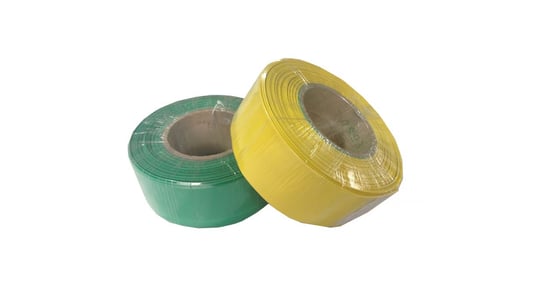
The Advantages of polyolefin tubing Polyolefin tubing is a popular choice for many applications due to its durability, flexibility, and resistance to heat and chemicals. Industrial Applications of Polyolefin Tubing In industrial settings, polyolefin tubing is commonly used for electrical insulation, wire harnessing, and cable management. Automotive Uses of Polyolefin Tubing Polyolefin tubing is an essential component in the automotive industry for protecting and organizing wiring systems in vehicles. Medical Applications of Polyolefin Tubing In the medical field, polyolefin tubing is used for catheters, IV lines, and other medical devices due to its biocompatibility and sterilization capabilities. Environmental Benefits of Polyolefin Tubing Polyolefin tubing is considered an eco-friendly option as it can be recycled and has a lower carbon footprint compared to other materials. DIY and Crafting with Polyolefin Tubing Crafters and DIY enthusiasts often use polyolefin tubing for projects such as jewelry making, model building, and customizing home decor. Insulating Properties of Polyolefin Tubing One of the key features of polyolefin tubing is its excellent insulation properties, making it ideal for protecting wires and cables from environmental factors. Color Coding with Polyolefin Tubing Polyolefin tubing is available in a variety of colors, allowing for easy color-coding and organization of wires and cables in both professional and DIY projects. Chemical Resistance of Polyolefin Tubing Polyolefin tubing is resistant to a wide range of chemicals, making it suitable for use in industries where exposure to harsh substances is common. Choosing the Right Polyolefin Tubing When selecting polyolefin tubing for a project, factors to consider include size, wall thickness, flexibility, and temperature resistance to ensure optimal performance. Quote Inquirycontact us
READ MORE
The Ultimate Guide to Heat Shrink Accessories
What Are heat shrink accessories?Heat shrink accessories are essential components used in conjunction with heat shrink tubing to provide protection and insulation for electrical wires and cables. These accessories come in various forms, such as heat shrink end caps, heat shrink connectors, heat shrink terminals, and heat shrink tape, making them versatile tools for a wide range of applications.The Benefits of Using Heat Shrink AccessoriesHeat shrink accessories offer numerous benefits, including waterproofing, strain relief, insulation, and protection against abrasion and chemicals. By using heat shrink accessories, you can enhance the durability and longevity of your electrical connections, ensuring safe and reliable operation in various environments.Types of Heat Shrink AccessoriesThere are many types of heat shrink accessories available on the market, each designed for specific applications. Some common types include heat shrink wire connectors, heat shrink solder sleeves, heat shrink cable labels, heat shrink tubing cutters, and heat shrink tubing kits. Choosing the right type of heat shrink accessory is crucial for achieving optimal results in your projects.How to Install Heat Shrink AccessoriesInstalling heat shrink accessories is a straightforward process that requires a heat source, such as a heat gun or a torch. Simply place the heat shrink accessory over the desired area, apply heat evenly until it shrinks and conforms to the surface, and allow it to cool for a secure and sealed connection. Proper installation is key to ensuring the effectiveness of heat shrink accessories.Applications of Heat Shrink AccessoriesHeat shrink accessories are commonly used in various industries, including automotive, aerospace, electronics, telecommunications, and marine. They are ideal for sealing wire splices, insulating soldered connections, protecting exposed wires, organizing cables, and marking components. The versatility of heat shrink accessories makes them essential tools for professionals and DIY enthusiasts alike.Factors to Consider When Choosing Heat Shrink AccessoriesWhen selecting heat shrink accessories for your project, consider factors such as the size, color, material, and shrink ratio of the accessories. It is important to choose accessories that are compatible with your specific application and meet the necessary safety and performance requirements. Investing in high-quality heat shrink accessories will ensure superior results and long-term reliability.Tips for Proper Storage and Maintenance of Heat Shrink AccessoriesTo prolong the shelf life and effectiveness of your heat shrink accessories, store them in a cool, dry place away from direct sunlight and moisture. Avoid bending or kinking the accessories, as this can cause damage to their properties. Inspect your heat shrink accessories regularly for any signs of deterioration or contamination, and replace them as needed to maintain optimal performance.Common Mistakes to Avoid When Using Heat Shrink AccessoriesOne common mistake when using heat shrink accessories is applying too much heat, which can cause the accessories to melt or burn. It is important to follow the manufacturer's guidelines and recommendations for the proper temperature and duration of heat application. Additionally, avoid using heat shrink accessories that are damaged or expired, as they may not provide adequate protection or insulation.Where to Buy Quality Heat Shrink AccessoriesQuality heat shrink accessories can be purchased from reputable suppliers, retailers, and online stores specializing in electrical supplies and materials. When shopping for heat shrink accessories, look for products that are made from durable materials, offer a good selection of sizes and types, and come with reliable customer support and warranty. Compare prices and read reviews to ensure you are getting the best value for your investment.ConclusionIn conclusion, heat shrink accessories are essential components for protecting, insulating, and organizing electrical connections in various applications. By understanding the different types, benefits, installation methods, and considerations of heat shrink accessories, you can make informed decisions when choosing and using these valuable tools. Whether you are a professional electrician, engineer, or DIY enthusiast, heat shrink accessories are indispensable for ensuring the safety, reliability, and efficiency of your projects.Quote Inquirycontact us
READ MORE
The Ultimate Guide to Heat Shrink Tubing: Everything You Need to Know
What is heat shrink tubing?Heat shrink tubing is a versatile electrical insulation material that shrinks in diameter when heat is applied. It is commonly used to protect wires, electronic components, and connections from moisture, corrosion, and other environmental factors. The tubing is typically made from materials like polyolefin and is available in various sizes and colors to fit different applications.Benefits of Heat Shrink TubingOne of the main advantages of heat shrink tubing is its ability to provide a tight, secure seal around wires and connections. This helps to prevent any moisture or contaminants from entering and causing damage. Additionally, the tubing offers excellent insulation properties, making it ideal for use in electrical and electronic projects. It also helps to organize and protect cables, making maintenance and repairs easier.Types of Heat Shrink TubingThere are several types of heat shrink tubing available, each designed for specific applications. Some common variations include dual-wall tubing, adhesive-lined tubing, and high-temperature tubing. Dual-wall tubing has an outer layer that melts and bonds with the underlying material, providing extra protection. Adhesive-lined tubing creates a watertight seal, while high-temperature tubing can withstand extreme heat environments.How to Use Heat Shrink TubingUsing heat shrink tubing is a simple process that requires only a heat source, such as a heat gun or lighter. First, select the appropriate size tubing for your project and slide it over the wires or connection to be protected. Then, apply heat evenly to the tubing until it shrinks and creates a tight seal. Be sure to allow the tubing to cool completely before handling to ensure a secure fit.Applications of Heat Shrink TubingHeat shrink tubing is widely used in various industries, including automotive, aerospace, and telecommunications. In the automotive sector, it is utilized to protect wiring harnesses and electrical connections from heat and vibrations. In aerospace, the tubing helps to insulate wires and components in demanding environments. And in the telecommunications industry, it is used to protect fiber optic cables and splices.Choosing the Right Heat Shrink TubingWhen selecting heat shrink tubing for your project, it is essential to consider factors such as size, material, and operating temperature. The tubing should be large enough to fit over the wires comfortably but not too loose. Additionally, ensure that the material is suitable for the application, whether it requires flexibility, flame resistance, or UV protection. Finally, check the operating temperature range to guarantee the tubing can withstand the conditions it will be exposed to.Tips for Proper InstallationTo ensure a successful installation, there are a few tips to keep in mind when working with heat shrink tubing. First, make sure to clean the area before applying the tubing to remove any dirt or grease that could affect the seal. It is also essential to use the correct size tubing and avoid overheating, which can cause damage. Finally, inspect the tubing after installation to ensure it has shrunk evenly and formed a tight, secure seal.Common Mistakes to AvoidWhile using heat shrink tubing is relatively straightforward, there are some common mistakes to avoid to ensure optimal results. One of the most significant errors is choosing the wrong size tubing, leading to a loose or ineffective seal. Another mistake is overheating the tubing, which can cause it to melt or deform. Additionally, not allowing the tubing to cool properly before handling can result in a poor fit.Cost-Effective SolutionsDespite its numerous benefits, heat shrink tubing is an affordable solution for protecting and organizing wires and connections. The tubing is available in various pack sizes, allowing you to purchase only what you need for your project, reducing waste and cost. Additionally, its ease of installation means that you can complete tasks quickly and efficiently, saving time and labor expenses.ConclusionHeat shrink tubing is a versatile and essential tool for anyone working with electrical or electronic components. Its ability to provide insulation, protection, and organization makes it a valuable asset in various industries and applications. By understanding the different types of tubing available, how to use it properly, and common mistakes to avoid, you can ensure successful projects and long-lasting results.Quote Inquirycontact us
READ MORE
Maximizing Efficiency with a Cable Splice Kit
The Importance of Using a cable splice kitWhen it comes to ensuring a reliable and efficient electrical connection, using a cable splice kit is crucial. Cable splicing involves joining two or more electrical cables together, and a cable splice kit provides the necessary tools and materials to do so effectively. Whether you are a professional electrician or a DIY enthusiast, having a cable splice kit on hand can help you complete electrical projects with ease and precision.Components of a Cable Splice KitA typical cable splice kit includes various components such as cable connectors, insulation materials, cable housing, and adhesive sealants. These components are designed to protect the electrical connection from environmental factors such as moisture, corrosion, and heat. By using high-quality components included in a cable splice kit, you can ensure a secure and long-lasting splice that meets industry standards.Benefits of Using a Cable Splice KitOne of the main benefits of using a cable splice kit is that it provides a convenient and cost-effective solution for repairing or extending electrical cables. Instead of having to purchase individual components separately, a cable splice kit includes everything you need in one package. This not only saves time but also reduces the risk of compatibility issues between components.Types of Cable Splice KitsThere are various types of cable splice kits available, each designed for specific applications and cable types. From low-voltage to high-voltage cables, there is a cable splice kit suitable for different voltage ratings and environmental conditions. Some kits are designed for underground applications, while others are more suitable for overhead installations. It is important to choose the right type of cable splice kit based on your specific needs.Installation Process of a Cable Splice KitThe installation process of a cable splice kit involves several steps, including preparing the cables, stripping the insulation, connecting the cables, and sealing the splice. It is important to follow the manufacturer's instructions carefully to ensure a proper and secure splice. Additionally, proper safety measures should be taken during the installation process to prevent accidents and injuries.Common Mistakes to AvoidWhen using a cable splice kit, there are certain common mistakes that should be avoided to ensure a successful splice. These include using the wrong type of splice kit for the application, not properly preparing the cables before splicing, and using inadequate insulation materials. By being aware of these mistakes and taking necessary precautions, you can avoid potential issues and ensure a reliable electrical connection.Applications of Cable Splice KitsCable splice kits are commonly used in various industries and applications, including telecommunications, power distribution, and industrial manufacturing. Whether you need to repair damaged cables, extend existing cables, or create branch connections, a cable splice kit can provide a reliable and efficient solution. With the right kit, you can complete cable splicing projects quickly and effectively.Factors to Consider When Choosing a Cable Splice KitWhen choosing a cable splice kit, there are several factors to consider, such as the voltage rating of the cables, the environmental conditions, and the application requirements. It is important to select a kit that meets the specific needs of your project to ensure a successful splice. Additionally, consider the reputation of the manufacturer and the quality of the components included in the kit.Maintaining a Cable Splice KitTo ensure the longevity and reliability of your cable splice kit, regular maintenance and inspection are essential. Inspect the cables and splices periodically for signs of wear, corrosion, or damage, and make any necessary repairs or replacements. By taking care of your cable splice kit, you can extend its lifespan and avoid costly repairs in the future.ConclusionIn conclusion, a cable splice kit is a valuable tool for anyone working with electrical cables. By providing the necessary components and materials for cable splicing, a cable splice kit can help you achieve secure and efficient electrical connections. Whether you are a professional or DIY enthusiast, investing in a high-quality cable splice kit is essential for completing electrical projects safely and effectively.Quote Inquirycontact us
READ MORE
Everything You Need to Know About Heat Shrink Connectors
What is a heat shrink connector?A heat shrink connector is a type of electrical connector that uses heat to insulate and seal the connection between two wires or components. This type of connector is commonly used in automotive, marine, and electrical applications to ensure a reliable and secure connection.How Do Heat Shrink Connectors Work?Heat shrink connectors work by using a heat source, such as a heat gun or soldering iron, to melt a layer of adhesive inside the connector. This causes the connector to shrink and conform to the wires, creating a tight and waterproof seal. Once cooled, the adhesive solidifies, providing a durable and long-lasting connection.The Benefits of Using Heat Shrink ConnectorsThere are several benefits to using heat shrink connectors. These connectors provide excellent insulation, protection against environmental factors such as moisture and corrosion, and strain relief for the wires. Additionally, heat shrink connectors are easy to use and install, making them a popular choice for both professionals and DIY enthusiasts.Types of Heat Shrink ConnectorsThere are various types of heat shrink connectors available, including butt connectors, ring terminals, spade connectors, and bullet connectors. Each type is designed for a specific application and wire size, ensuring a secure and reliable connection. It is important to choose the right type of connector for your specific needs to ensure optimal performance.How to Install Heat Shrink ConnectorsInstalling heat shrink connectors is a straightforward process. Start by stripping the ends of the wires and inserting them into the connector. Use a heat source to shrink the connector and seal the connection. Be sure to apply heat evenly and avoid overheating the connector, as this can damage the wires or the adhesive inside.Common Applications of Heat Shrink ConnectorsHeat shrink connectors are commonly used in a variety of applications, including automotive wiring, marine electronics, electrical repairs, and telecommunications. These connectors are ideal for any situation where a secure, waterproof connection is required, such as in outdoor or harsh environments.Choosing the Right Heat Shrink ConnectorWhen choosing a heat shrink connector, it is important to consider factors such as wire size, voltage rating, and environmental conditions. Be sure to select a connector that is compatible with your wire size and meets the necessary safety requirements for your application. Additionally, choose a connector with a waterproof rating to protect the connection from moisture and corrosion.Tips for Properly Sealing Heat Shrink ConnectorsTo ensure a proper seal with heat shrink connectors, follow these tips: make sure the wires are securely inserted into the connector, apply heat evenly to shrink the connector, and allow the connector to cool completely before handling. Inspect the connection for any signs of damage or overheating, and reheat if necessary to create a secure and waterproof seal.Common Mistakes to Avoid When Using Heat Shrink ConnectorsAvoid common mistakes when using heat shrink connectors, such as using the wrong size connector for the wire, applying too much heat and melting the wires, or not allowing the connector to cool properly before handling. By following the proper installation steps and techniques, you can ensure a reliable and long-lasting connection.ConclusionIn conclusion, heat shrink connectors are a versatile and reliable option for creating secure electrical connections in various applications. By understanding how heat shrink connectors work, choosing the right type of connector, and following proper installation techniques, you can ensure a durable and waterproof connection that will last for years to come.Quote Inquirycontact us
READ MORE
The Ultimate Guide to Heat Shrink End Caps
What is a heat shrink end cap?A heat shrink end cap is a type of tubing that, when heated, shrinks down to create a secure, sealed connection around the end of a cable, wire, or similar object. These end caps are commonly used in electrical and automotive applications to provide insulation and protection against moisture and corrosion.How Do Heat Shrink End Caps Work?Heat shrink end caps are made from a polymer material that contracts when exposed to heat. When heated with a heat gun or torch, the end cap shrinks in size, forming a snug fit around the object it is covering. This tight seal helps to prevent water, dirt, and other contaminants from infiltrating the connection.Benefits of Using Heat Shrink End CapsThere are several advantages to using heat shrink end caps. They provide excellent insulation, protect against environmental factors, and help to extend the lifespan of cables and wires. Additionally, heat shrink end caps are easy to install and provide a professional finish to any project.Applications of Heat Shrink End CapsHeat shrink end caps are versatile and can be used in a wide range of applications. They are commonly used in the automotive industry to seal electrical connections, in telecommunications to protect cables, and in construction to waterproof outdoor lighting fixtures. These end caps are also ideal for marine and aerospace applications.Choosing the Right Heat Shrink End CapWhen selecting a heat shrink end cap, it is important to consider the size of the object you are covering, the level of protection required, and the operating temperature of the environment. Be sure to choose an end cap that is the appropriate size and material for your specific application to ensure a secure and reliable connection.How to Install Heat Shrink End CapsInstalling heat shrink end caps is a straightforward process. Simply slide the end cap over the object you wish to cover, making sure it is positioned correctly. Apply heat evenly to the end cap using a heat gun or torch until it shrinks down tightly around the object. Allow the end cap to cool before handling the connection.Common Mistakes to AvoidOne common mistake when using heat shrink end caps is applying too much heat, which can cause the material to burn or melt unevenly. It is important to follow the manufacturer's guidelines for heating temperatures and times to ensure a proper installation. Additionally, be sure to clean and dry the connection before applying the end cap.Maintenance and Care TipsTo ensure the longevity of your heat shrink end caps, regularly inspect them for any signs of damage or wear. If any end caps are cracked, torn, or discolored, replace them immediately to maintain the integrity of the connection. Store unused end caps in a cool, dry place away from direct sunlight.Cost-Effective SolutionsHeat shrink end caps are a cost-effective solution for protecting and insulating electrical connections. They are available in various sizes and materials to suit different applications and budgets. By investing in quality heat shrink end caps, you can save time and money on repairs and replacements in the long run.ConclusionIn conclusion, heat shrink end caps are a valuable tool for sealing and protecting cable and wire connections. They offer numerous benefits, including insulation, environmental protection, and ease of installation. By choosing the right end caps for your specific application and following proper installation procedures, you can ensure a reliable and durable connection for years to come.Quote Inquirycontact us
READ MORE
The Ultimate Guide to Adhesive-Lined Tubing
What is adhesive-lined tubing? Adhesive-lined tubing is a type of tubing that has a layer of adhesive on the inside. This adhesive provides a strong bond when the tubing is heated, creating a secure seal. Applications of Adhesive-Lined Tubing Adhesive-lined tubing is commonly used in electrical applications, such as insulating wire splices and connections. It is also used in automotive and aerospace industries for sealing and protection purposes. Benefits of Adhesive-Lined Tubing One of the main benefits of adhesive-lined tubing is its ability to create a waterproof seal. It also provides insulation and protection against harsh environmental conditions. Types of Adhesive-Lined Tubing There are various types of adhesive-lined tubing available, including heat shrinkable tubing, dual wall tubing, and heavy-duty tubing. Each type has its own unique properties and is suitable for different applications. How to Use Adhesive-Lined Tubing To use adhesive-lined tubing, simply cut the tubing to the desired length, slide it over the object to be protected or sealed, and apply heat using a heat gun or other heating device. The adhesive will melt and create a tight seal. Choosing the Right Adhesive-Lined Tubing When choosing adhesive-lined tubing, consider factors such as the temperature range it can withstand, its flexibility, and its adhesive strength. It is important to select tubing that is appropriate for the specific application. Tips for Working with Adhesive-Lined Tubing When working with adhesive-lined tubing, make sure to clean the surface thoroughly before applying the tubing to ensure a secure bond. Additionally, use the correct heating temperature and avoid overheating the tubing. Common Mistakes to Avoid One common mistake when working with adhesive-lined tubing is not applying enough heat, which can result in a weak seal. Another mistake is using tubing that is not the correct size or type for the application. Adhesive-Lined Tubing Maintenance Once adhesive-lined tubing is applied, regular inspection is recommended to ensure that the seal remains intact. If any damage is found, the tubing should be replaced to maintain the integrity of the seal. Conclusion In conclusion, adhesive-lined tubing is a versatile and effective solution for sealing and protecting various objects. By understanding its applications, benefits, and how to use it properly, you can utilize adhesive-lined tubing in a wide range of industries and applications. Quote Inquirycontact us
READ MORE
Everything You Need to Know About Cold Shrink Accessories
What Are Cold Shrink Accessories?Cold shrink accessories are specialized products used in the telecommunications and electrical industries to create a seal or insulation around cables and connectors. These accessories are made from a unique material that contracts when exposed to cold temperatures, making them easy to install and providing a secure, long-lasting seal.Benefits of Using Cold Shrink AccessoriesCold shrink accessories offer numerous benefits compared to traditional installation methods. They require no heat or special tools for installation, reducing the risk of accidents and injuries. Additionally, their cold shrink design allows for a quicker and more efficient installation process, saving time and labor costs.Types of Cold Shrink AccessoriesThere are various types of cold shrink accessories available, each designed for specific applications. Some common types include cold shrink tubing, cold shrink terminations, and cold shrink splices. These accessories come in different sizes and designs to accommodate different cable sizes and configurations.How to Install Cold Shrink AccessoriesInstalling cold shrink accessories is a straightforward process that can be done by following the manufacturer's instructions. Simply slide the cold shrink accessory over the cable or connector, remove the supporting core, and allow the accessory to shrink and conform to the surface. It's important to ensure a proper fit and seal to maintain the effectiveness of the accessory.Applications of Cold Shrink AccessoriesCold shrink accessories are commonly used in telecommunications, power distribution, and industrial applications. They provide a reliable way to seal and insulate cables, connectors, and splices, protecting them from environmental factors such as moisture, dust, and corrosion. Cold shrink accessories are essential for maintaining the integrity and longevity of electrical and communication systems.Advantages Over Traditional MethodsCompared to traditional methods such as heat shrink or tape, cold shrink accessories offer several advantages. They provide a more consistent seal and insulation, reducing the risk of water ingress and electrical failures. Additionally, cold shrink accessories do not require any heat source, making them safer to use in hazardous environments.Factors to Consider When Choosing Cold Shrink AccessoriesWhen selecting cold shrink accessories, it's important to consider factors such as the size and type of the cable or connector, the environmental conditions, and the application requirements. It's essential to choose accessories that are compatible with the specific needs of the project to ensure optimal performance and durability.Maintenance and Care of Cold Shrink AccessoriesTo prolong the lifespan and effectiveness of cold shrink accessories, proper maintenance and care are necessary. Inspect the accessories regularly for any signs of damage or deterioration, and replace them as needed. Avoid exposing the accessories to harsh chemicals or extreme temperatures that could affect their performance.Cost-Effectiveness of Cold Shrink AccessoriesDespite their initial cost, cold shrink accessories offer long-term cost savings due to their durability and reliability. By preventing the need for frequent repairs or replacements, cold shrink accessories help reduce maintenance expenses and downtime, ultimately leading to cost savings for businesses and organizations.Future Developments in Cold Shrink TechnologyAs technology continues to advance, so do cold shrink accessories. Manufacturers are constantly innovating and improving the design and materials used in cold shrink accessories to enhance their performance and versatility. Future developments may include more environmentally friendly materials, faster installation methods, and increased compatibility with new cable and connector designs.Quote Inquirycontact us
READ MORE