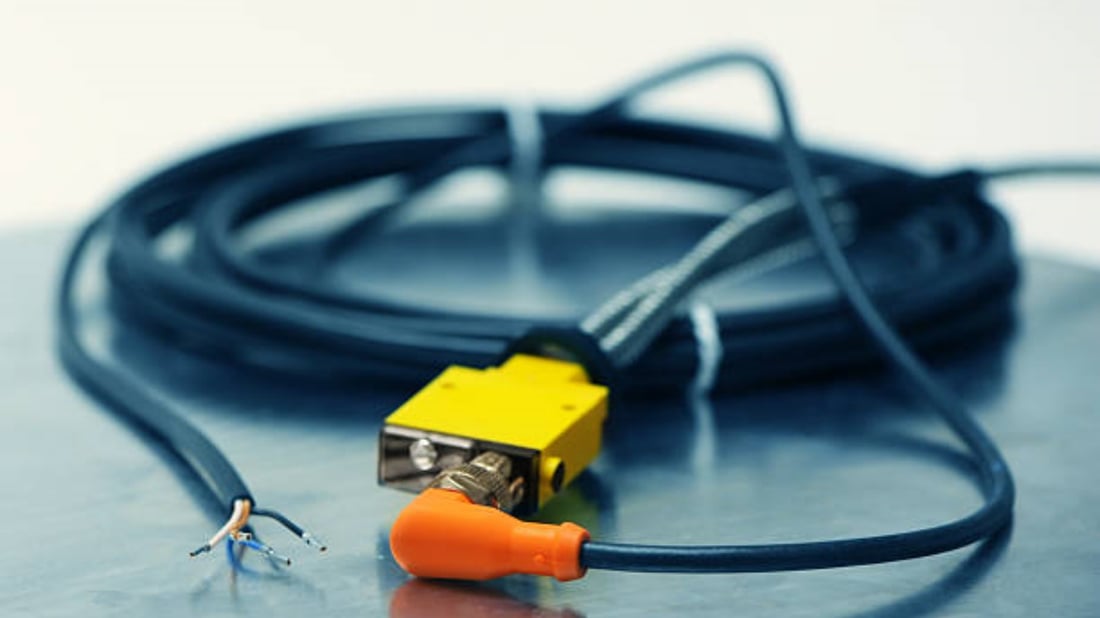
Plug and play cable connectors are revolutionizing the way electronic devices connect to each other. Designed for ease of use, these connectors eliminate the need for complex installations or configurations, allowing devices to communicate instantly upon connection. Their innovative design has made them indispensable in a variety of fields such as consumer electronics, automotive systems, and industrial machinery.
Key Features of Plug and Play Cable Connectors
One of the primary features of plug and play cable connectors is their user-friendly interface. These connectors typically feature a standardized design that ensures compatibility across multiple devices and platforms. Additionally, they often incorporate secure locking mechanisms to maintain stable and reliable electrical connections while preventing accidental disconnections.
Applications in Consumer Electronics
In consumer electronics, plug and play cable connectors simplify the process of connecting peripherals like monitors, keyboards, and external storage devices. The instant recognition and functionality upon connection reduce downtime, making them essential for home and office setups. Common examples include USB Type-C connectors and HDMI cables with plug and play capabilities.
Role in Industrial Automation
Industrial environments demand robust and reliable connectors that can withstand harsh conditions. Plug and play cable connectors in automation systems offer quick connectivity and minimal downtime. Their ability to be easily replaced or reconfigured without specialized tools makes them ideal for maintaining complex machinery and control systems efficiently.
Enhancing Network Connectivity
Network infrastructures benefit significantly from plug and play cable connectors. Ethernet cables with plug and play functionality allow for seamless network expansions and modifications. This enables IT professionals to set up, troubleshoot, or upgrade networks with minimal interruption, ensuring consistent data transfer and communication.
Improving Automotive Wiring Systems
Modern vehicles integrate numerous electronic systems that require reliable connections. Plug and play cable connectors streamline the assembly of wiring harnesses in automotive manufacturing and facilitate quick repairs or upgrades during maintenance. Their ability to fit securely and maintain signal integrity enhances vehicle safety and performance.
Plug and Play in Audio and Video Systems
Audio and video professionals rely on plug and play cable connectors to guarantee high-quality signal transmission while simplifying setup processes. Connectors like RCA, XLR, and HDMI with plug and play design enable rapid integration of sound and video equipment, supporting live events, studios, and home entertainment without technical delays.
Material and Durability Considerations
The materials used in plug and play cable connectors significantly impact their longevity and performance. High-quality connectors often incorporate corrosion-resistant metals and insulating plastics that withstand temperature fluctuations and physical stress. Durable connectors ensure consistent electrical contact, reducing signal loss and maintenance needs.
Future Trends and Technological Advances
Innovations in plug and play cable connectors focus on enhancing speed, miniaturization, and smart connectivity. Emerging technologies such as fiber optic plug and play cables offer faster data transfer rates, while wireless plug and play systems are becoming more prevalent. These advancements aim to increase functionality while maintaining simplicity and reliability.
Choosing the Right Plug and Play Cable Connector
Selecting the appropriate plug and play cable connector depends on the specific application, required data transfer rates, and environmental conditions. Understanding connector types, pin configurations, and compatibility considerations ensures optimal system performance. Consulting technical specifications and standards helps users make informed decisions for their connection needs.
Quote Inquiry
contact us