Understanding Busbar Sleeve Insulation and Its Importance
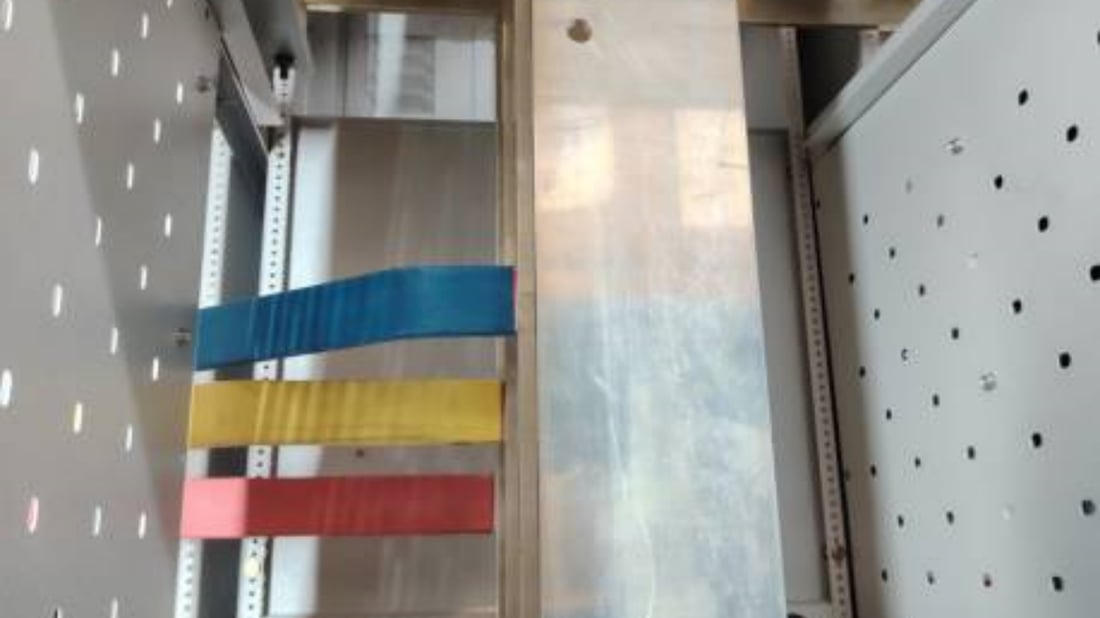
Busbar sleeves are protective insulating covers designed to encase busbars, which are critical conductors used for power distribution in electrical systems. Their primary function is to prevent electrical short circuits and protect against accidental contact.
Busbar Sleeve Insulation Testing ensures these sleeves maintain their insulating properties under operational stresses, thus safeguarding system reliability and personnel safety.
The Role of Busbar Sleeve Insulation Testing in Preventive Maintenance
Regular busbar sleeve insulation testing is a cornerstone of preventive maintenance in industrial electrical installations. By identifying insulation deterioration early, technicians can prevent catastrophic failures, unplanned downtime, and costly repairs. This proactive approach helps maintain system integrity and extends the service life of electrical equipment.
Common Methods of Busbar Sleeve Insulation Testing
Various testing methods are employed to evaluate the insulation quality of busbar sleeves. These include high-voltage withstand tests, insulation resistance testing using megohmmeters, and partial discharge measurements. Each method assesses different attributes, such as breakdown voltage thresholds and leakage current levels, providing a comprehensive evaluation of insulation health.
Standards and Regulatory Requirements for Testing
Busbar sleeve insulation testing is governed by national and international standards to ensure consistency and safety. Standards such as IEC 60439 and IEEE 1584 outline testing procedures, acceptable voltage levels, and insulation resistance benchmarks. Compliance with these standards is mandatory for manufacturers and facilities to meet safety and operational guidelines.
Impact of Environmental Factors on Busbar Sleeve Insulation
Environmental conditions, including temperature fluctuations, humidity, dust accumulation, and exposure to chemicals, can degrade busbar sleeve insulation over time. Testing protocols often account for these factors by simulating operating environments or applying stress tests. Understanding these impacts helps in selecting suitable materials and maintenance schedules.
Advanced Technologies in Busbar Sleeve Insulation Testing
Recent advancements in diagnostic technology have enhanced the accuracy and efficiency of busbar sleeve insulation testing. Techniques such as infrared thermography, ultrasonic detection, and automated partial discharge analyzers enable real-time monitoring and early fault detection, reducing the risk of unexpected electrical failures.
Safety Precautions During Busbar Sleeve Insulation Testing
Conducting insulation testing involves high voltages and requires stringent safety measures to protect testing personnel and equipment. Proper grounding, use of insulated tools, adherence to lockout/tagout procedures, and wearing appropriate personal protective equipment (PPE) are critical to prevent electrical hazards during testing.
Interpreting Test Results for Busbar Sleeve Insulation Quality
Analyzing the outcomes of busbar sleeve insulation tests involves comparing measured values with standard thresholds. Significant deviations in insulation resistance or presence of partial discharges indicate degradation or defects. Skilled interpretation guides decisions on whether to repair, replace, or continue monitoring the busbar sleeves.
Challenges in Busbar Sleeve Insulation Testing and How to Overcome Them
Testing busbar sleeve insulation can be complicated by factors such as complex busbar configurations, accessibility issues, and varying operational conditions. Overcoming these challenges involves using flexible testing equipment, adopting non-invasive inspection methods, and scheduling tests during shutdown periods to minimize interference.
Future Trends in Busbar Sleeve Insulation Testing
The future of busbar sleeve insulation testing is trending towards smart and predictive maintenance technologies. Integration of IoT sensors for continuous monitoring, AI-driven data analysis for early fault prediction, and the development of more durable insulating materials promise enhanced safety and reduced maintenance costs in power distribution systems.
Quote Inquiry
contact us