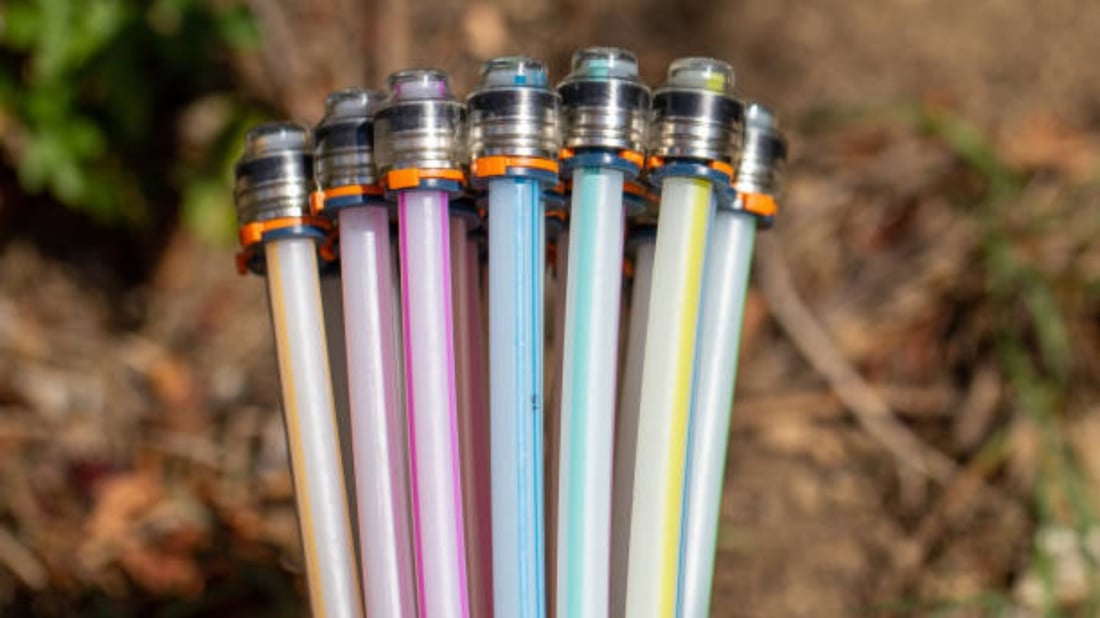
Waterproof cold shrink tubes are innovative solutions designed to provide reliable insulation and protection for electrical connections. These tubes are unique because they do not require heat to shrink, making installation quicker and safer. Their waterproof nature ensures that electrical components are shielded from moisture, dust, and corrosive elements, making them essential in various industrial and commercial applications.
How Waterproof Cold Shrink Tubes Work
Cold shrink tubes operate using a pre-stretched elastic polymer that contracts when the core supporting it is removed. This contraction tightly conforms around cables and connectors, creating a durable, moisture-resistant seal. The waterproof feature enhances this by preventing water ingress, which can cause shorts or deterioration in electrical systems.
Material Composition and Durability
Typically manufactured from high-quality silicone rubber or EPDM, waterproof cold shrink tubes are exceptionally resilient. Their materials provide resistance against UV rays, ozone, chemicals, and extreme temperatures, contributing to a long service life even in harsh environments. The elasticity of these materials ensures a snug fit without cracking or shrinking over time.
Key Applications in Electrical Systems
Waterproof cold shrink tubes are widely used in splicing and termination of cables in telecommunications, power distribution, and automotive sectors. They provide essential insulation and protection in environments exposed to moisture, such as underground installations, outdoor equipment, and marine applications.
Advantages Over Heat Shrink Tubes
Unlike heat shrink tubes, waterproof cold shrink tubes do not require a heat source, eliminating risks associated with open flames or hot tools. This feature makes them safer and easier to use, especially in confined spaces or areas with flammable gases. Additionally, they offer more uniform shrinkage and consistent sealing due to their elastic recovery properties.
Installation Process and Best Practices
Installing waterproof cold shrink tubes involves sliding the pre-expanded tube over the cable or connector and removing the internal core to allow contraction. This straightforward process requires minimal tools and reduces installation time. Proper surface preparation and environmental conditions should be ensured to maximize adhesion and sealing effectiveness.
Environmental Benefits and Sustainability
Waterproof cold shrink tubes contribute to sustainability by extending the lifespan of electrical installations and reducing maintenance needs. Their reusability in some applications minimizes waste, and the materials used are often compliant with environmental regulations, reducing harmful chemical emissions.
Customization and Sizing Options
Manufacturers offer waterproof cold shrink tubes in various diameters and lengths to accommodate different cable sizes and configuration requirements. Some products come with flame-retardant or additional insulation layers. Customization ensures that users can find the optimal tube that delivers both waterproofing and mechanical protection for their specific application.
Challenges and Limitations
While waterproof cold shrink tubes are highly effective, they may not be suitable for extremely cold environments where elasticity is compromised. Additionally, improper installation can lead to incomplete sealing and failure to protect against water ingress. It is essential to select the correct tube size and follow manufacturer guidelines for best results.
Future Trends and Innovations
Advancements in material science are driving improvements in waterproof cold shrink tubes, including enhanced flexibility, higher temperature tolerance, and integration with smart monitoring technologies. As industries demand more reliable and efficient solutions, these tubes are expected to evolve with features such as faster installation, improved environmental resistance, and multifunctional protective capabilities.
Quote Inquiry
contact us