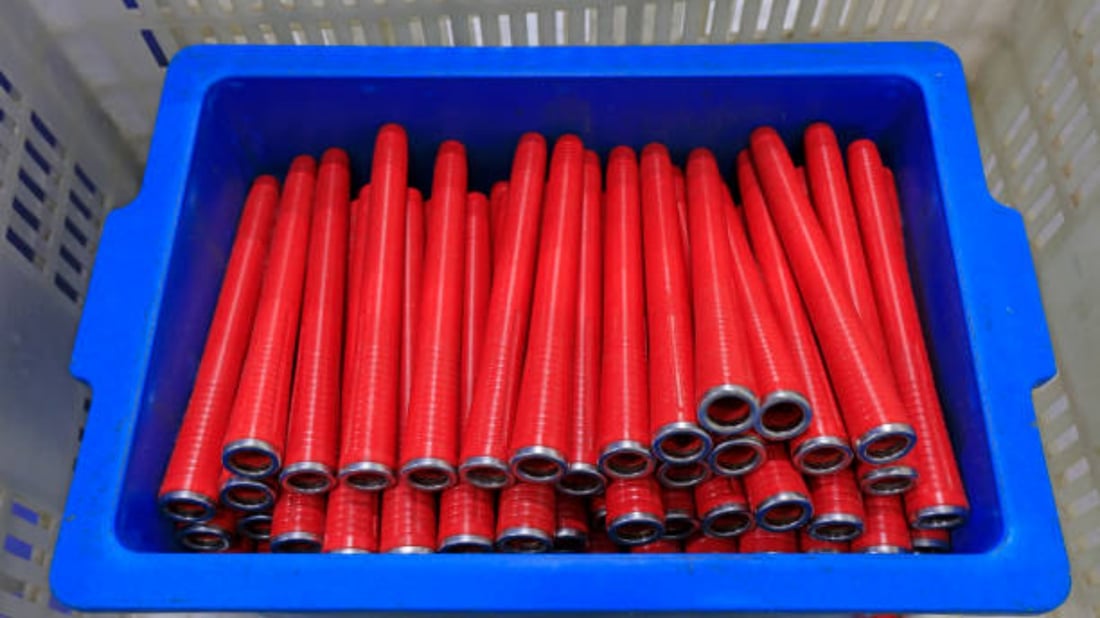
Silicone rubber tubing is a flexible, durable, and heat-resistant material used widely in various industries. Constructed from high-quality silicone elastomers, this tubing offers excellent elasticity and strength, making it ideal for a broad range of applications. Unlike traditional rubber tubing, silicone rubber tubing provides superior resistance to extreme temperatures, UV radiation, and chemicals, ensuring longevity even under demanding conditions.
Heat Resistance and Stability
One of the standout features of silicone rubber tubing is its exceptional heat resistance. It can typically withstand temperatures ranging from -60°C to +230°C (-76°F to 446°F), making it suitable for processes involving extreme heat or cold. This temperature stability ensures that silicone rubber tubing maintains its flexibility and structural integrity, even when exposed to fluctuating or prolonged heat, which is vital for medical and industrial applications.
Chemical and Environmental Resistance
Silicone rubber tubing demonstrates significant resistance to many chemicals, fluids, and environmental factors. It does not easily degrade when exposed to oils, ozone, UV rays, or moisture. This chemical resilience makes it a preferred choice for laboratory equipment, food processing systems, and pharmaceutical manufacturing, where contamination or degradation can be a major concern.
Medical and Food-Grade Applications
Thanks to its biocompatibility and non-toxic nature, silicone rubber tubing is commonly used in medical and food-grade applications. It is FDA-approved and meets stringent health safety standards. The tubing can be sterilized easily through autoclaving and other sterilization methods, making it ideal for intravenous delivery systems, catheters, and food and beverage dispensing lines.
Flexibility and Durability
Silicone rubber tubing is known for its flexibility, which allows it to bend and twist without cracking or breaking. This flexibility combined with inherent durability makes it suitable for use in dynamic environments where tubing is subject to stress and movement. Whether in automotive engines, aerospace components, or robotics, silicone rubber tubing can maintain its performance over time.
Customization and Size Variability
Manufacturers offer silicone rubber tubing in a wide range of diameters, wall thicknesses, and lengths to cater to specific needs. It can be extruded or molded into various shapes, allowing customization for different fluid transfer or protective applications. This adaptability enables seamless integration into complex machinery or systems requiring tailored tubing solutions.
Transparency and Visual Monitoring
Many silicone rubber tubings are transparent or translucent, allowing for easy visual monitoring of fluid flow and the presence of air bubbles or contaminants. This visibility is especially important in medical, laboratory, and food processing settings, where monitoring the quality and consistency of fluid transfer is critical. Transparent tubing helps ensure safety and accuracy throughout processes.
Electrical Insulation Properties
Silicone rubber tubing provides excellent electrical insulation, making it useful in electrical and electronic industries. It protects wires and cables from heat, moisture, and mechanical abrasion while maintaining their performance. This insulating quality helps prevent electrical shorts and extends the life of electronic components in harsh operating environments.
Ease of Installation and Maintenance
The lightweight and pliable nature of silicone rubber tubing make it easy to install and maintain. It can be quickly connected and disconnected, which simplifies routine cleaning, inspection, or replacement. Silicone tubing's resistance to kinking and fouling also reduces downtime and maintenance costs, improving overall operational efficiency.
Environmental Impact and Sustainability
While silicone rubber tubing is made from synthetic materials, it is considered more environmentally friendly than many other plastics due to its durability and long service life, reducing waste frequency. Silicone is also inert and does not release harmful chemicals during use. Increasingly, manufacturers focus on developing recyclable silicone products, supporting sustainability initiatives in various sectors.
Quote Inquiry
contact us