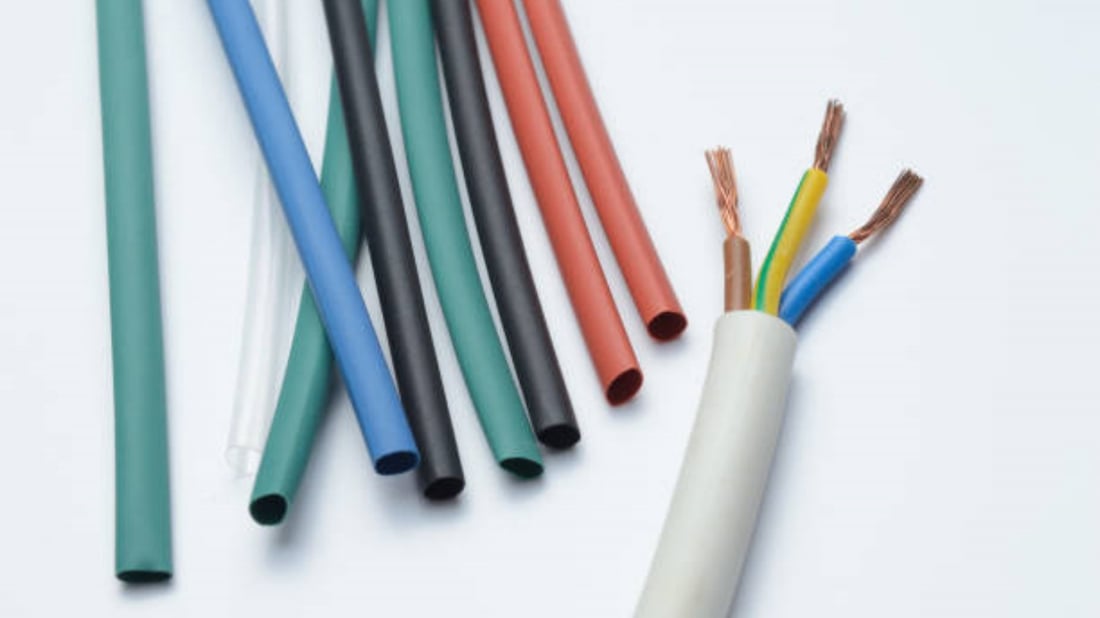
Cold shrink tube is an innovative, pre-stretched elastomeric tubing designed to provide efficient insulation and protection for cables and electrical components. Unlike heat shrink tubing, cold shrink tube requires no heat application for installation; instead, it shrinks upon removal of an internal supporting core. This feature makes it ideal for use in environments where heat application is risky or impractical.
Key Advantages of Cold Shrink Tubes
One of the primary advantages of cold shrink tube is its ease of installation, which often translates to faster job completion and reduced labor costs. Since no heat tools are needed, installation can be performed safely in confined spaces or explosive environments. Additionally, cold shrink tube offers consistent, uniform sealing properties that help enhance durability and environmental protection.
Material Composition and Durability
Cold shrink tubes are typically made from silicone rubber or EPDM (ethylene propylene diene monomer) rubber, providing excellent flexibility and weather resistance. These materials offer superior resistance to UV radiation, moisture, chemicals, and extreme temperatures, ensuring long-lasting performance in harsh outdoor or industrial applications.
Applications in Electrical and Communication Industries
Cold shrink tubes are widely used for insulating and sealing cable joints, terminations, and splices in electrical and communication systems. Their ability to maintain a reliable seal against moisture and contaminants makes them essential in power distribution, telecommunications, and fiber optic networks to improve system reliability and lifespan.
Comparison Between Cold Shrink and Heat Shrink Tubes
While heat shrink tubes require heat sources such as heat guns for installation, cold shrink tubes operate without any thermal energy. This distinction reduces installation risks and equipment costs. Additionally, cold shrink tubing provides more consistent diameter recovery, avoiding uneven shrinkage often observed with heat shrink tubing.
Customization and Sizing Options
Cold shrink tubes come in various lengths, diameters, and wall thicknesses to accommodate different cable sizes and protection needs. Manufacturers often provide tailored options, including multi-core configurations or specialized formulations for enhanced chemical or flame resistance, allowing precise solutions for specific industrial applications.
Environmental and Safety Considerations
Cold shrink tubing promotes safer work conditions due to elimination of open flames or hot tools during installation. This is particularly critical in hazardous environments such as oil rigs, chemical plants, or explosive atmospheres. Additionally, many cold shrink products are RoHS compliant and designed to minimize environmental impact throughout their lifecycle.
Installation Techniques and Best Practices
Proper installation of cold shrink tube involves selecting the correct tubing size, sliding it over the cable or joint, and slowly removing the internal core to allow the tube to compress and seal tightly. Attention to clean surfaces and correct positioning ensures optimal sealing and mechanical protection. Training personnel on installation guidelines can further enhance performance.
Maintenance and Longevity of Cold Shrink Tubing
Once installed, cold shrink tubes require minimal maintenance due to their inherent durability and resistance properties. Regular inspections can detect physical damage or environmental wear, but the tubes generally maintain their sealing integrity for years, making them a cost-effective solution for long-term cable protection.
Future Trends and Innovations in Cold Shrink Tube Technology
Emerging advancements in cold shrink tubing focus on improved materials with enhanced thermal and chemical resistance, as well as integrated solutions that combine sealing and grounding capabilities. Increasing demand in renewable energy sectors and electric vehicle infrastructure continues to drive innovation, promising more efficient and specialized cold shrink tube products in the future.
Quote Inquiry
contact us