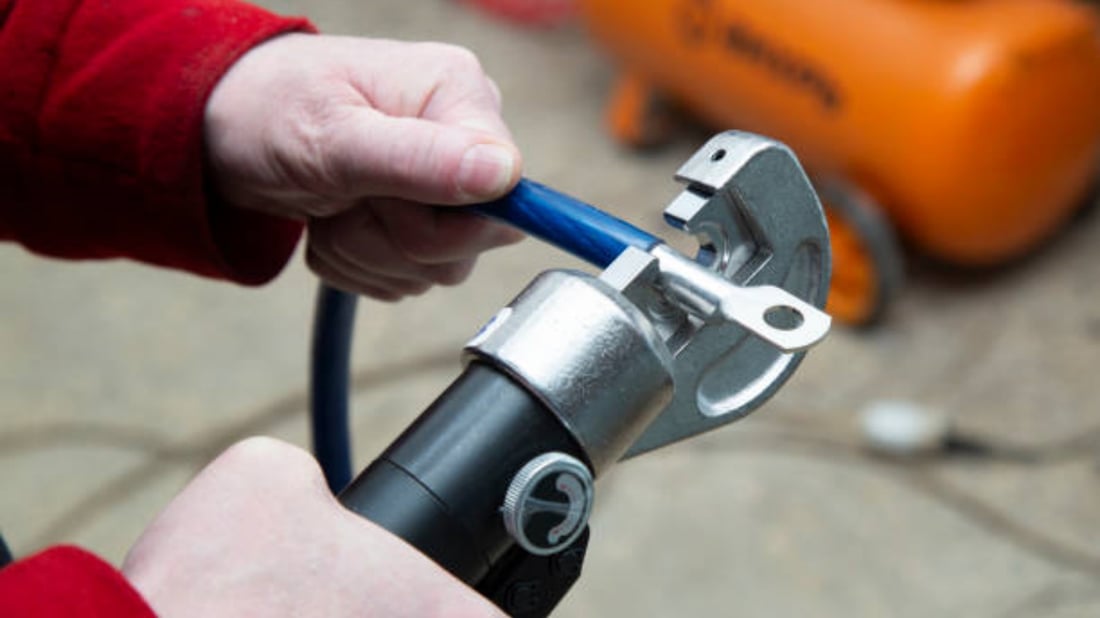
A heat shrink cable sealing head is a specialized protective component used in electrical and telecommunications installations to provide a secure, weatherproof, and mechanically robust seal around cable entries. It consists of a heat shrinkable polymeric material that, upon heating, shrinks and conforms tightly around cables and connectors. This ensures the prevention of moisture ingress, dust infiltration, and mechanical damage, thereby extending cable longevity and maintaining signal integrity.
Material Composition and Key Properties
Typically made from polyolefin or other heat-sensitive polymers, heat shrink cable sealing heads are reinforced with adhesive lining that activates during the heating process. This adhesive creates a permanent bond with the cable insulation, enhancing waterproofing and mechanical strength. Their excellent electrical insulation properties, combined with resistance to UV radiation, chemicals, and temperature extremes, make them ideal for outdoor and harsh environment applications.
Applications Across Industries
Heat shrink cable sealing heads find extensive use in power distribution, telecommunications, renewable energy sectors, and industrial machinery. They are crucial in sealing cable joints, terminations, and branch connections, ensuring reliability in environments exposed to rain, dust, salt fog, and mechanical stress. Their adaptability enhances the performance of underground cables, aerial cables, and submarine cable setups.
Installation Process and Best Practices
Proper installation of a heat shrink cable sealing head is essential for optimal performance. Cables must be cleaned and prepared, with heat shrink tubing positioned correctly before applying an even heat source. Careful temperature control prevents overheating or damaging cables, while ensuring full adhesive activation and uniform shrinking. Using an appropriate heat gun and following manufacturer guidelines guarantees a secure, long-lasting seal.
Advantages Over Traditional Sealing Methods
Compared to older sealing techniques such as PVC tapes or resin-filled connectors, heat shrink cable sealing heads offer superior moisture resistance, ease of installation, and consistency. Their lightweight design reduces installation time and maintenance costs. The integrated adhesive lining forms a hermetic seal, providing unmatched protection against environmental factors that commonly cause cable failures.
Customization and Size Variants
Heat shrink cable sealing heads are available in various sizes and configurations to accommodate cables with different diameters and sheath types. Manufacturers also provide customized solutions tailored to specific cable designs or challenging installation environments. These variants include different shrink ratios, adhesive types, and mechanical reinforcement layers to suit diverse operational needs.
Environmental Durability and Compliance Standards
Designed for rigorous conditions, heat shrink cable sealing heads meet multiple international standards ensuring environmental durability and safety. Standards such as IEC, UL, and RoHS compliance validate their performance against moisture, UV exposure, temperature cycles, and chemical agents. This makes them reliable choices for use in critical infrastructure and energy distribution networks.
Economic Impact and Lifecycle Benefits
Investing in heat shrink cable sealing heads contributes to lower lifecycle costs by reducing cable replacement frequency and maintenance efforts. Their ability to prevent corrosion and physical damage extends cable system life significantly. Additionally, minimal downtime during installation helps industries save operational costs and improve overall system efficiency.
Innovations and Technological Advancements
Recent innovations in heat shrink cable sealing heads focus on enhanced materials with improved environmental resistance and faster curing adhesives. Developments include flame-retardant compounds, higher shrink ratios for complex cable configurations, and UV-stabilized coatings for prolonged outdoor usage. These technological advances enhance seal reliability and open up new application possibilities.
Choosing the Right Heat Shrink Cable Sealing Head
Selecting the appropriate heat shrink cable sealing head requires consideration of factors such as cable type, diameter, environmental conditions, and electrical ratings. Consulting manufacturer datasheets and industry experts ensures that the sealing head matches the installation requirements. Proper selection maximizes protection and maintains system performance under diverse operational stresses.
Quote Inquiry
contact us