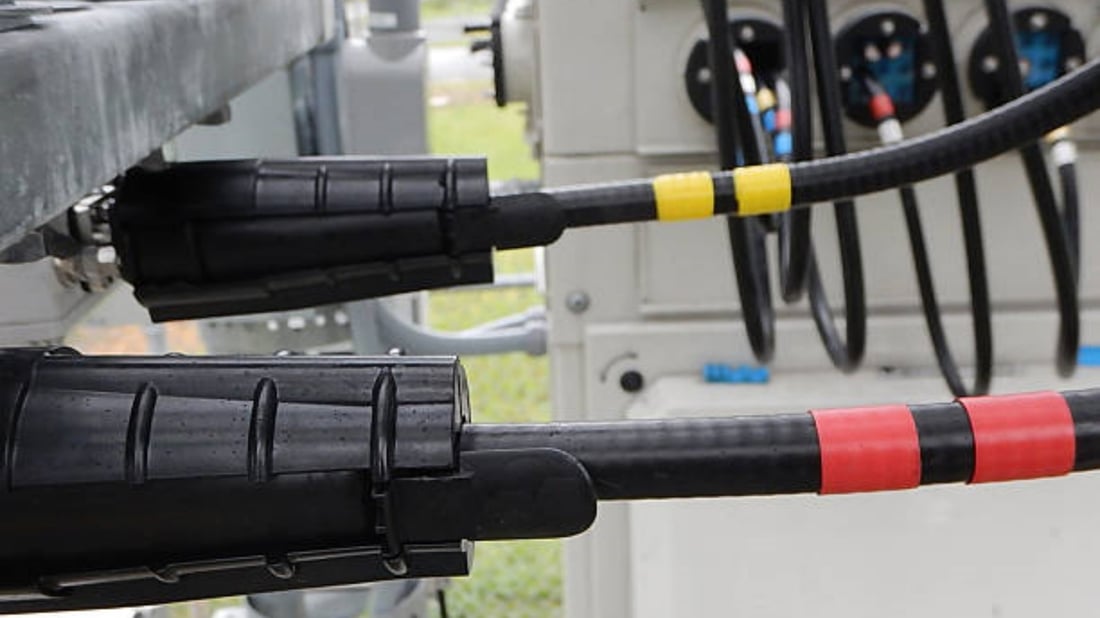
Telecom infrastructure sealing involves the use of materials and techniques to protect telecommunication equipment and cabling from environmental damage, moisture ingress, dust, and other contaminants. With the increasing dependence on telecommunications for critical services, proper sealing ensures longevity and reliable network performance by safeguarding physical network components against degradation.
Types of Materials Used in Telecom Infrastructure Sealing
Various sealing materials are employed in telecom infrastructure, including silicone gels, polyurethane foams, epoxy resins, and rubber-based compounds. Each material offers unique properties tailored to specific environmental conditions such as UV resistance, water impermeability, and flexibility. Selecting the appropriate sealing material is vital to enhance the protection of fiber optic joints, outdoor cabinets, and underground cables.
Role of Sealing in Preventing Water Ingress in Telecom Networks
Water ingress is one of the primary causes of failures in telecom infrastructure. Seals create a robust barrier that prevents moisture from entering junction boxes, connectors, and splice closures. By effectively sealing telecom infrastructures, operators reduce the risk of short circuits, corrosion, and signal loss, maintaining consistent uptime even in harsh weather conditions.
Sealing Solutions for Fiber Optic Cable Splice Closures
Fiber optic splice closures are critical junctures where sealing plays a crucial role. Proper telecom infrastructure sealing in these closures protects delicate fiber splices from contaminants and mechanical damage. Advanced sealing technologies ensure air-tight and watertight seals, which are essential to maintain fiber integrity and minimize signal attenuation.
Environmental Challenges Addressed by Telecom Infrastructure Sealing
Telecom infrastructure often faces harsh environmental conditions such as temperature fluctuations, moisture, dust, salt fog, and chemical exposure. Sealing solutions provide resilience by forming protective barriers against these stressors. This environmental defense extends the equipment’s service life and minimizes unexpected maintenance costs.
Sealing in Underground Telecom Network Components
Underground telecom infrastructure is particularly vulnerable to water and soil ingress. Specialized sealing compounds and gaskets are used to protect manholes, splice points, and cable access points buried underground. Effective sealing prevents damage from groundwater, soil movement, and root intrusion, preserving network integrity in subterranean environments.
Impact of Telecom Infrastructure Sealing on Network Reliability
Network reliability hinges on the physical security of telecom components. Proper sealing reduces the incidence of failures by preventing contaminants from disrupting connections and equipment. This reliability directly influences service quality, reducing downtime and service interruptions for end-users and operators alike.
Sealing Techniques for Outdoor Telecom Cabinets and Enclosures
Outdoor telecom cabinets house sensitive electronics that require protection from rain, dust, and temperature extremes. Telecom infrastructure sealing of these enclosures involves precise gasket placement, sealant application, and ventilation management. These practices ensure cabinets maintain IP-rated protection levels critical for outdoor deployment.
Maintenance and Inspection of Sealed Telecom Infrastructure
Regular maintenance and inspection of sealed telecom infrastructure are essential to verify seal integrity over time. Visual inspections, moisture tests, and the use of specialized diagnostic tools help identify potential breaches early. Timely maintenance ensures seals perform optimally, averting costly repairs and service disruptions.
Future Trends in Telecom Infrastructure Sealing Technologies
Emerging trends in telecom infrastructure sealing include the development of smart sealants with self-healing properties and eco-friendly compositions. Innovations focus on enhancing ease of application, durability, and environmental compliance. Adoption of these advanced sealing solutions promises to improve network resilience as telecom systems evolve.
Quote Inquiry
contact us