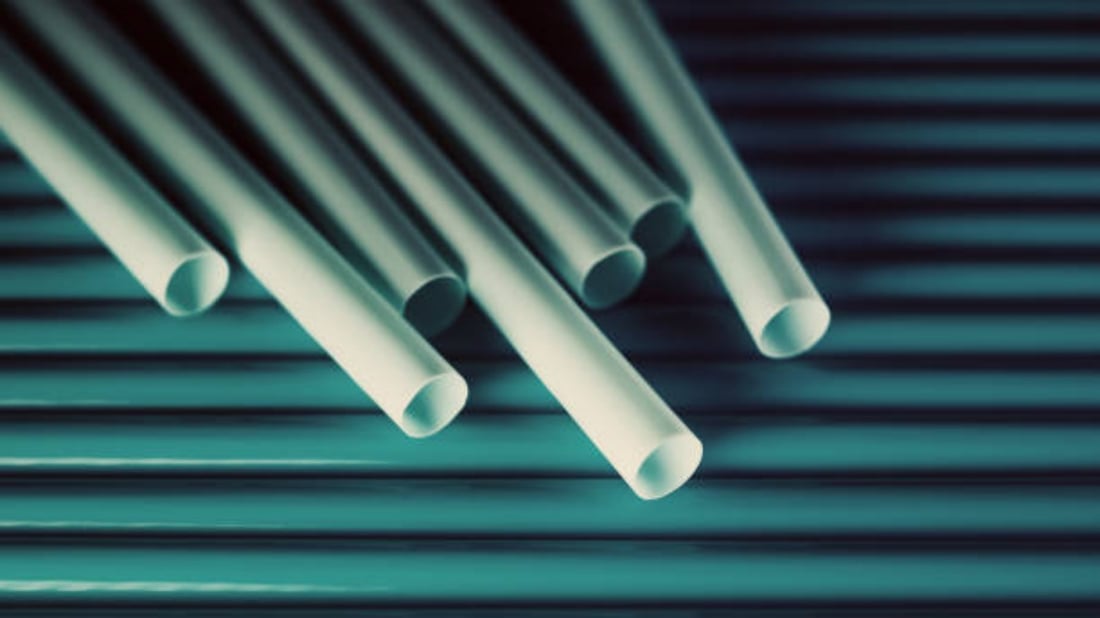
High voltage cold shrink tube is an innovative insulating solution designed to protect electrical connections and components operating at high voltages. Unlike traditional heat shrink tubing, this product uses a pre-stretched elastic material that contracts upon removal of a supporting core, creating a tight seal without heat. This technology offers superior insulation, mechanical protection, and environmental resistance, making it ideal for high voltage applications in power distribution, telecommunications, and industrial sectors.
Material Composition and Manufacturing Process
Typically made from cross-linked elastomeric materials such as silicone rubber or EPDM, high voltage cold shrink tubes are engineered for flexibility, durability, and high dielectric strength. The manufacturing process involves expanding the tube over a removable core, allowing it to remain in a stretched state for easy installation. Upon deployment, the core is pulled away, allowing the tube to shrink uniformly over the cable or component, ensuring an airtight, moisture-resistant seal that maintains integrity under electrical stress.
Key Advantages Over Traditional Heat Shrink Tubing
One of the primary benefits of high voltage cold shrink tube is its installation efficiency. Since no heat source is required, it removes risks associated with open flames, such as cable insulation damage or fire hazards. Additionally, the uniform shrinkage minimizes the potential for wrinkles and voids, which can compromise insulation performance. Its ability to maintain elasticity over time ensures reliable protection against mechanical strain and environmental factors like UV exposure and chemicals.
Applications in Power Transmission and Distribution
High voltage cold shrink tubes serve critical roles in power transmission and distribution systems. They are commonly used for insulating cable joints, terminations, and splices to prevent electrical failures. Their resistance to moisture ingress and mechanical abrasion helps extend the lifespan of high voltage cables in outdoor and underground installations. Furthermore, their design caters to a wide range of cable sizes and configurations, enhancing versatility on the field.
Installation Techniques and Best Practices
Installing high voltage cold shrink tube requires minimal tools and training. After preparing the cable surface, the tube is slid over the joint or terminal while it is on the supporting core. Once correctly positioned, the core is carefully removed, allowing the tube to contract securely. Ensuring clean, dry surfaces and proper alignment during deployment maximizes sealing efficacy and insulation reliability. Following manufacturer guidelines on installation speed and environmental conditions is crucial to achieving optimal results.
Environmental and Safety Considerations
This tubing technology exhibits high resistance to environmental stressors such as ozone, moisture, salt spray, and extreme temperatures, which are common challenges in high voltage environments. Its flame-retardant and non-toxic materials align with industrial safety standards, reducing hazards during installation and operation. Additionally, the cold shrink mechanism mitigates risks caused by heat application, making it a safer option for electrical workers and the surrounding infrastructure.
Performance Under Extreme Conditions
High voltage cold shrink tubes maintain insulation integrity under harsh operating conditions, including temperature fluctuations, mechanical vibrations, and exposure to chemicals. Their elastomeric properties allow them to absorb stress without cracking or losing adhesion, thereby preventing electrical discharges and short circuits. These features make them especially suitable for use in renewable energy facilities, substations, and industrial plants where durability is paramount.
Comparative Cost Analysis and Longevity
Although high voltage cold shrink tubes may have a higher initial cost than some traditional insulating solutions, the long-term benefits justify the investment. Reduced installation time lowers labor costs and minimizes downtime. Their resistance to aging and environmental degradation translates to fewer maintenance needs and replacements, providing significant cost savings over the equipment’s operational life. This durability contributes to enhanced asset reliability and grid stability.
Customization and Compatibility Options
Manufacturers offer high voltage cold shrink tubes in various sizes, designs, and material formulations to accommodate different cable diameters, voltage ratings, and environmental requirements. Customization options include color coding, printed markings, and specialized coatings that improve wear resistance or UV protection. Compatibility with accessories such as end seals, mastic tapes, and cable boots makes these tubes adaptable to complex high voltage installations.
Future Trends and Innovations in High Voltage Insulation
Emerging advancements in material science and manufacturing technologies continue to enhance the capabilities of high voltage cold shrink tubes. Innovations such as nanocomposite elastomers improve electrical properties and mechanical strength, while smart coatings offer self-healing and diagnostic functions. Integration with IoT devices and sensors is also becoming feasible, allowing real-time monitoring of insulation health to prevent failures proactively. These developments ensure the cold shrink tube remains a vital component in modern electrical infrastructure.
Quote Inquiry
contact us