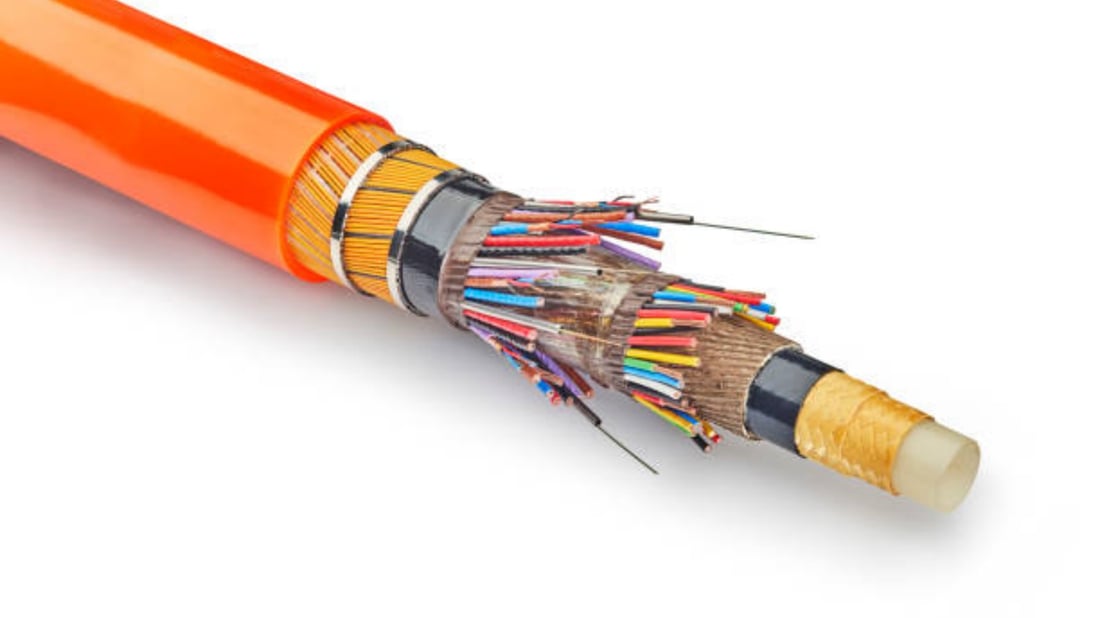
Heat shrink cable termination is a specialized technique used to protect and insulate the ends of electrical cables. This method involves applying heat shrink tubing over cable ends, causing the material to shrink tightly around the conductor and insulation. This ensures a secure and moisture-resistant seal, which is essential for maintaining reliable electrical connections in various industrial and commercial applications.
The Materials Used in Heat Shrink Cable Termination
Heat shrink cable termination typically uses polyolefin, fluoropolymer, or silicone-based materials for the tubing. These materials are chosen for their excellent electrical insulation, abrasion resistance, and environmental protection properties. The tubing often contains an inner adhesive lining, which melts upon heating to create a strong, waterproof bond between the tubing and cable surfaces.
Key Applications of Heat Shrink Cable Termination
Heat shrink cable termination is extensively used in telecommunications, power distribution, aerospace, and automotive industries. It provides reliable protection against environmental hazards such as moisture, dust, chemicals, and mechanical abrasion. Additionally, it helps maintain electrical integrity in high-voltage systems, ensuring safety and performance in critical infrastructure.
Advantages of Heat Shrink Cable Termination Over Traditional Methods
Compared to conventional electrical tape or liquid sealants, heat shrink cable termination offers more durable and long-lasting insulation. Its tight fit prevents slippage, reduces the risk of short circuits, and safeguards against mechanical damage. It also simplifies installation and maintenance, minimizing downtime in electrical systems.
Installation Process and Best Practices
The installation of heat shrink cable termination involves stripping the cable jacket, sliding the appropriately sized heat shrink tubing over the cable end, and applying uniform heat with a heat gun or similar tool. Proper heating causes the tubing to shrink evenly and the adhesive lining to flow, ensuring a sealed and insulated termination. Adhering to manufacturer guidelines is critical to avoid under or over-heating.
Environmental and Safety Considerations
Heat shrink cable termination provides effective protection against corrosion and ingress of water and contaminants, which can compromise cable performance. This is particularly important in outdoor or harsh environments. Moreover, the use of flame-retardant heat shrink materials enhances safety by reducing fire hazards, making it suitable for high-risk applications.
Customization and Sizing Options
Heat shrink cable termination products come in various diameters, shrink ratios (commonly 2:1 or 3:1), and lengths to accommodate different cable sizes and types. Customizable options, such as colors and printed markings, assist in cable identification and organization. Selecting the right tubing size is essential for achieving optimal sealing and insulation performance.
Compatibility with Different Cable Types
Heat shrink cable termination is compatible with a broad range of cables, including power cables, fiber optics, coaxial cables, and control wires. Its versatility allows it to encapsulate different conductor configurations and insulation materials effectively. This adaptability makes it a preferred choice across multiple technical fields.
Cost Efficiency and Longevity
While the initial investment in heat shrink tubing may be higher than some other termination methods, its durability reduces the need for frequent repairs or replacements. The long service life and minimal maintenance requirements translate to significant cost savings over time. This makes heat shrink cable termination a cost-effective solution in both short and long-term scenarios.
Future Trends in Heat Shrink Cable Termination Technology
Advancements in material science are leading to heat shrink cable termination products with enhanced mechanical strength, higher thermal resistance, and improved environmental sustainability. Emerging technologies include flame-resistant and low-smoke tubing for safer building installations, as well as UV-stabilized variants for prolonged outdoor use. These innovations ensure heat shrink cable termination remains a vital component in modern electrical infrastructure.
Quote Inquiry
contact us