Understanding Busbar Sleeves and Their Role in Electrical Systems
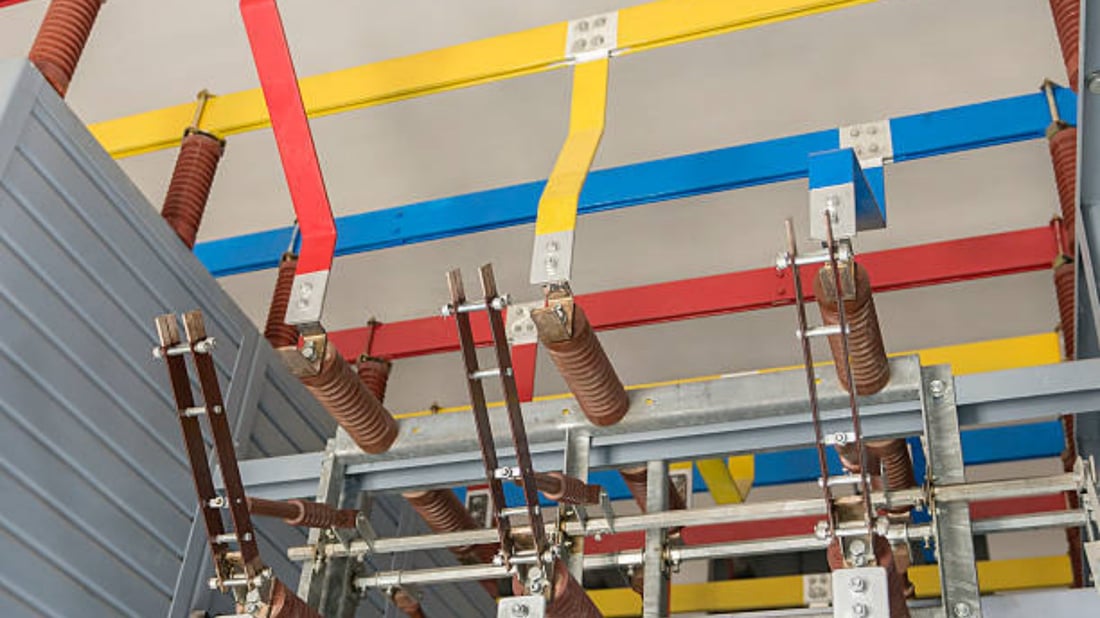
Busbar sleeves are protective covers designed to insulate and shield busbars, which are conductive metal strips used for power distribution. These sleeves play a crucial role in maintaining system safety and reliability by preventing electrical leakage and physical damage. The importance of
Busbar Sleeve Weather Resistance lies in ensuring that these protective elements can withstand harsh environmental conditions without degrading, thereby preserving their insulating properties and overall functionality.
Definition and Importance of Weather Resistance in Busbar Sleeves
Weather resistance refers to a material’s ability to endure exposure to environmental factors such as UV radiation, moisture, temperature fluctuations, and pollutants. For busbar sleeves, weather resistance ensures long-term durability and prevents deterioration caused by rain, sun, wind, or freezing temperatures. This resistance is vital to maintain electrical safety, avoid short circuits, and extend the operational life of busbar assemblies in outdoor or industrial environments.
Materials Contributing to Busbar Sleeve Weather Resistance
Typically, busbar sleeves are made from materials like PVC, silicone rubber, cross-linked polyethylene (XLPE), and other specially formulated polymers. These materials are selected for their inherent resistance to UV rays, chemical exposure, and thermal cycling. For example, silicone rubber sleeves provide excellent flexibility and weather resistance at extreme temperatures, making them suitable for demanding outdoor applications where typical plastics might crack or degrade.
Impact of UV Radiation on Busbar Sleeve Weather Resistance
UV radiation from sunlight can cause many polymers to become brittle and lose insulation properties over time. Busbar sleeves with enhanced weather resistance are engineered to incorporate UV stabilizers or pigments that absorb or reflect UV rays, significantly reducing material degradation. UV-resistant sleeves help preserve mechanical integrity and maintain electrical insulation, critical for preventing failures in outdoor power distribution systems.
Resistance to Moisture and Corrosive Environments
Exposure to moisture, rain, and humidity can lead to swelling, cracking, or loss of insulation performance in busbar sleeves. Highly weather-resistant sleeves often feature hydrophobic surfaces or tight material cross-linking to prevent water ingress. Additionally, chemical resistance to acidic or alkaline rain and pollutants is necessary to avoid corrosion of the busbar itself, further highlighting the importance of comprehensive busbar sleeve weather resistance.
Thermal Stability and Its Role in Weather Resistance
Temperature fluctuations, including extreme heat or cold, challenge the physical stability of busbar sleeves. Weather-resistant sleeves must maintain flexibility and strength without cracking or melting regardless of temperature changes. Thermal stability is particularly crucial in outdoor installations where direct sunlight can raise surface temperatures dramatically, requiring sleeves that can expand and contract without losing protective qualities.
Mechanical Durability Enhancing Weather Resistance
Wind, debris, and mechanical impacts are common external factors affecting outdoor electrical components. Busbar sleeves with enhanced mechanical durability contribute to overall weather resistance by resisting abrasion, cuts, and crushing. This durability not only protects the busbar from physical damage but also helps maintain a consistent insulating barrier, ensuring continual electrical safety under adverse weather conditions.
Standards and Testing for Busbar Sleeve Weather Resistance
To guarantee performance, busbar sleeves undergo rigorous testing against various weathering scenarios. Standards such as IEC 60695 and ASTM G154 outline procedures for evaluating UV resistance, thermal cycling, moisture ingress, and chemical exposure. Compliance with these standards ensures that busbar sleeves marketed as weather resistant truly meet the demands of outdoor electrical installations.
Applications Demanding Superior Busbar Sleeve Weather Resistance
Industries like power distribution, renewable energy, outdoor lighting, and transportation require busbar sleeves with exceptional weather resistance. For example, solar power plants must use busbar sleeves able to withstand desert heat and UV exposure, while marine environments demand sleeves resistant to saltwater corrosion. Selecting the right weather-resistant sleeve is key to minimizing maintenance and downtime in such sectors.
Future Trends in Busbar Sleeve Weather Resistance Technology
Advances in polymer science are driving the development of busbar sleeves with enhanced weather resistance properties. Innovations include nanocomposite additives to increase UV and chemical durability, self-healing materials to repair minor surface damage, and biodegradable options that reduce environmental impact. These emerging technologies promise to improve the lifespan and sustainability of busbar sleeves in the face of increasingly challenging weather conditions.
Quote Inquiry
contact us