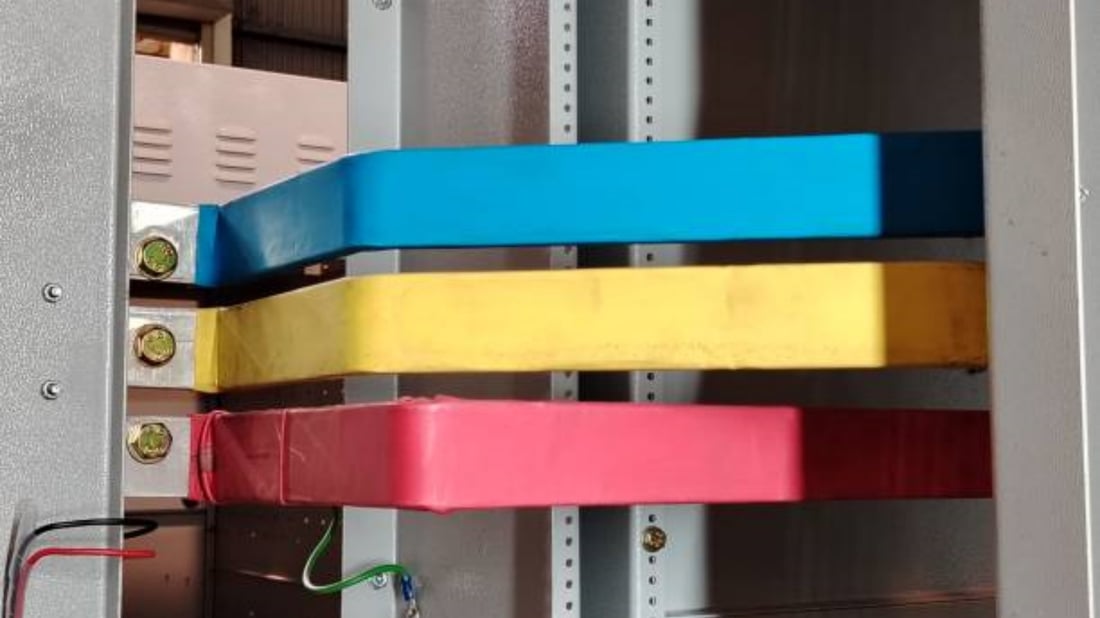
35kv busbar sleeve installation is a critical procedure in electrical power distribution systems. It involves the application of insulating materials designed to protect and connect busbars operating at 35 kilovolts. Proper installation ensures electrical safety, prevents contamination, and reduces the risk of short circuits by providing effective insulation for high-voltage components.
Importance of Insulation in 35kv Busbar Sleeve Installation
The primary purpose of 35kv busbar sleeves is to offer reliable insulation. This insulation guards against electrical faults caused by environmental factors such as moisture, dust, and physical contact. Installing these sleeves properly maintains the integrity of the electrical system, reducing maintenance costs and prolonging equipment lifespan.
Types of Materials Used for 35kv Busbar Sleeves
Busbar sleeves for 35kv systems are commonly made from heat-shrinkable polymers, silicone rubber, or elastomeric materials. These materials provide excellent dielectric strength, weather resistance, and flexibility. Choosing the appropriate sleeve material is essential for handling mechanical stress and environmental exposure during installation and operation.
Preparation Steps Before 35kv Busbar Sleeve Installation
Prior to installation, meticulous surface preparation is necessary. This involves cleaning the busbar conductors to remove grease, corrosion, and dirt that can compromise adhesion and insulation quality. Additionally, verifying busbar dimensions and checking for surface defects ensure a smooth sleeve application process.
Tools and Equipment Required for Installation
Efficient 35kv busbar sleeve installation requires specialized tools such as heat guns, adhesive primers, cleaning solvents, and measurement devices. The use of calibrated heat guns ensures even and controlled application of heat shrink sleeves, while primers improve adhesion between the sleeve and busbar surface.
Step-by-Step Process of Installing 35kv Busbar Sleeves
Installation begins with sliding the appropriately sized sleeve over the cleaned busbar. Heat is then applied evenly with a heat gun, causing the sleeve to shrink tightly around the conductor. Proper heat application is critical to avoid under or over-heating, which can affect insulation properties. Once cooled, the sleeve forms a durable insulating barrier.
Common Challenges in 35kv Busbar Sleeve Installation
Challenges include ensuring uniform heat distribution during sleeve shrinking, avoiding contamination during preparation, and selecting the right sleeve size. Incorrect installation can lead to insulation failure, electrical hazards, or reduced sleeve lifespan. Awareness of these challenges helps installers maintain high-quality standards.
Quality Checks and Testing After Installation
Post-installation, electrical continuity and insulation resistance tests are essential to verify the integrity of the 35kv busbar sleeve installation. Visual inspection for wrinkles, bubbles, or voids in the sleeve also ensures proper adhesion and uniform thickness, confirming the system’s safety compliance.
Maintenance Considerations for 35kv Busbar Sleeves
Regular inspections of busbar sleeves help detect early signs of wear, cracks, or damage. Scheduled maintenance prevents insulation breakdown and reduces downtime. Environmental factors such as UV exposure and temperature fluctuations should be monitored to maintain sleeve performance over time.
Future Trends in 35kv Busbar Sleeve Installation Technology
Emerging technologies include improved materials with enhanced thermal and mechanical properties, and smart sleeves embedded with sensors for real-time monitoring of insulation health. Automation in installation processes is also advancing, promoting consistency and safety in high-voltage electrical systems.
Quote Inquiry
contact us