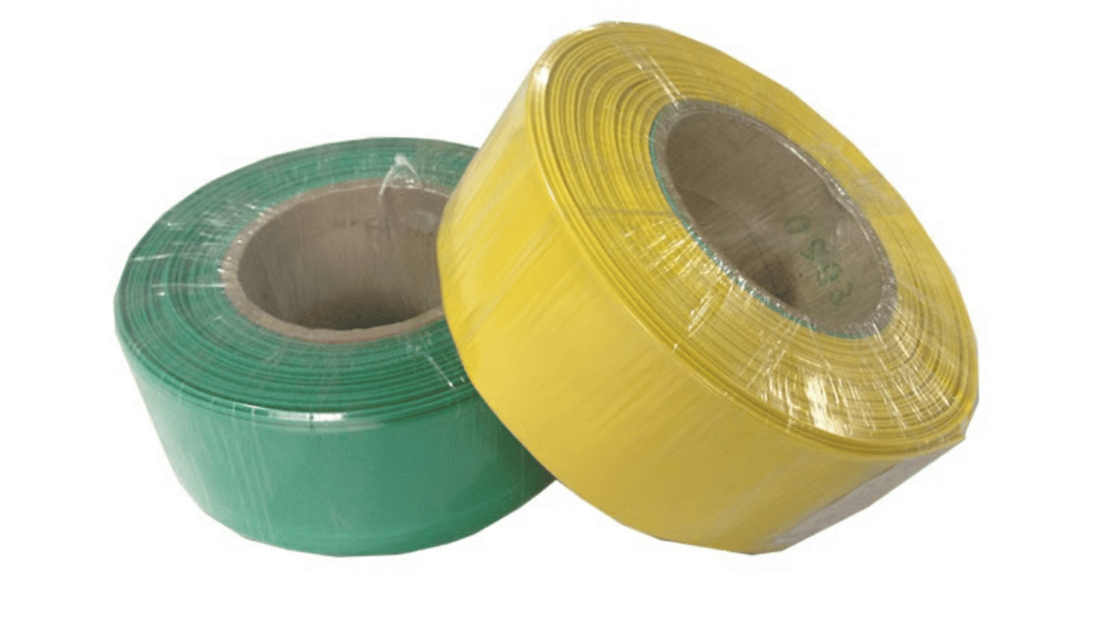
1kv heat shrinkable tubing is a type of protective insulation material designed for electrical cables operating at voltages up to 1,000 volts. Made from polyolefin or similar polymers, this tubing shrinks radially when heated, providing a tight, secure covering over wires, connectors, and cables. Its crucial function is to enhance electrical safety by isolating conductors and protecting against abrasion, moisture, and environmental contaminants.
Material Composition and Thermal Properties
Typically, 1kv heat shrinkable tubing is fabricated from cross-linked polyolefin due to its excellent mechanical and chemical resistance. The cross-linking process improves thermal stability, allowing the tubing to withstand continuous operating temperatures around 125°C and short-term peaks of up to 135°C. This makes it suitable for harsh environments where insulation reliability is critical.
Voltage Rating and Electrical Insulation Performance
The 1kv rating signifies that the heat shrinkable tubing is certified to insulate electrical components up to 1,000 volts. Its dielectric strength generally ranges between 20 to 30 kV/mm, offering robust protection against electrical breakdowns and short circuits. Consequently, it is widely used in industrial, automotive, and consumer electrical applications requiring moderate voltage insulation.
Installation Process and Shrink Ratio Explained
Installing 1kv heat shrinkable tubing involves sliding the tubing over the target component and applying heat through a heat gun or oven. Typical heat shrink ratios span from 2:1 to 3:1, meaning the tubing can shrink to half or one-third of its original diameter, thus forming a snug seal. Correct heat application ensures optimal adhesion and tight mechanical protection.
Common Industrial Applications of 1kv Heat Shrinkable Tubing
This tubing is pivotal in industries such as automotive wiring harnesses, telecommunications, renewable energy systems, and consumer electronics. It is commonly used to insulate splices and joints, bundle wire harnesses, and protect connectors from environmental deterioration. Its versatile voltage rating suits a broad range of moderate electrical system needs.
Environmental Resistance and Durability Features
The robust design of 1kv heat shrinkable tubing offers resistance against UV radiation, water, chemicals, and abrasion. Its sealing capability prevents ingress of dust and moisture, which are common factors leading to cable failure. These properties make it ideal for both indoor and outdoor applications where durability and longevity are of paramount importance.
Color Coding and Identification Benefits
Manufacturers produce 1kv heat shrinkable tubing in various colors to facilitate easy identification of cables and connections in complex electrical setups. This visual aid improves maintenance efficiency, fault location, and safety compliance, especially in large industrial facilities or control panels where numerous circuits are managed.
Standards and Certifications to Ensure Quality
Quality assurance for 1kv heat shrinkable tubing is enforced through industry standards such as UL224, ISO 9001, and RoHS compliance. These certifications guarantee high performance, environmental safety, and regulatory adherence. Selecting tubing with recognized certifications is critical for meeting safety codes and ensuring system reliability.
Customization Options and Sizing Availability
Suppliers offer 1kv heat shrinkable tubing in multiple diameters, wall thicknesses, and lengths to accommodate different cable sizes and application demands. Additionally, options like adhesive lining enhance sealing properties, whereas flame-retardant formulations improve fire safety in sensitive environments. Customization ensures that the tubing fits specific project requirements effectively.
Cost-Effectiveness and Longevity Considerations
Investing in 1kv heat shrinkable tubing presents a cost-effective solution for electrical insulation by prolonging the lifespan of cables and reducing maintenance expenses. Its protective qualities minimize downtime caused by electrical faults or physical damage. The relatively low upfront cost combined with prolonged durability makes it a preferred choice among electricians and engineers.
Quote Inquiry
contact us