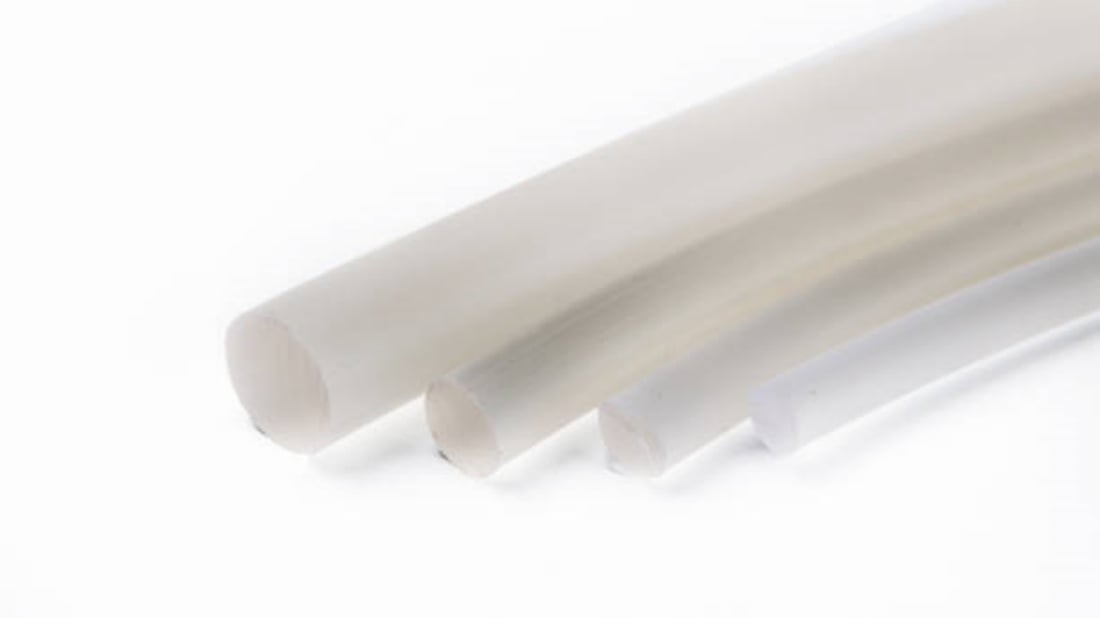
Cold shrink and heat shrink tubing are two widely used methods for electrical insulation, sealing, and protection. Understanding their principles, applications, and performance can help in selecting the right solution for a variety of industrial and residential projects. Both aim to safeguard cables and connections, but they differ significantly in how they are applied and in their material properties.
Material Composition and Structure Differences
Heat shrink tubing is typically made from polyolefin or similar thermoplastics that contract upon heating, whereas cold shrink tubing is composed of pre-stretched elastomeric rubber held on a removable core. When the core is removed, the cold shrink tubing recoils tightly around the cable. This distinction directly influences their functionality and ease of installation in different environments.
Installation Process and Tools Required
Heat shrink tubing requires a heat source such as a heat gun, torch, or oven to activate shrinking, which can be time-consuming and requires caution to avoid damage. Cold shrink tubing, on the other hand, is simply placed over the cable or joint, then the supporting core is removed to enable shrinking without any external heat source or specialized tools, making installation faster and safer.
Performance in Harsh Environmental Conditions
Cold shrink tubing offers superior performance in environments with fluctuating temperatures, UV exposure, and moisture because it is made from elastomeric materials that maintain elasticity over time. Heat shrink tubing can become brittle under extreme conditions and may crack or lose its sealing effectiveness, reducing long-term durability.
Electrical Insulation and Protection Capabilities
Both cold shrink and heat shrink provide strong electrical insulation, but cold shrink tubing’s ability to maintain a consistent seal under stress or vibration makes it ideal for high-voltage splices and terminations. Heat shrink tubing, when properly applied, also protects against moisture and contaminants but may not be as resilient under mechanical strain.
Suitability for Different Cable Types and Sizes
Heat shrink tubing is available in a wide range of diameters and wall thicknesses, catering to various cable sizes from small wiring to large conductors. Cold shrink tubing also accommodates diverse cable sizes but is particularly favored for medium to large cables due to its stretch and recoil capabilities, which allow for more uniform coverage on uneven surfaces.
Cost Implications and Economic Considerations
Heat shrink tubing is generally less expensive per unit compared to cold shrink tubing. However, when accounting for installation time, labor costs, and the need for additional tools, cold shrink systems can be more cost-effective for large-scale or complex projects. The balance between upfront material cost and overall project efficiency is a key consideration.
Time Efficiency and Labor Requirements
Cold shrink tubing significantly reduces installation time since it requires no heating or curing time. This efficiency is particularly beneficial in field work or emergency repairs. Heat shrink, requiring heating and cooling time, can slow down project timelines and demands skilled labor to ensure proper application and to avoid heat damage.
Safety Aspects During Installation
Cold shrink tubing eliminates the need for open flames or electric heat guns, reducing the risk of burns, fires, or accidental damage to surrounding components during installation. In contrast, heat shrink installation poses safety risks due to the use of heat sources, necessitating protective measures and training for personnel.
Applications and Industry Preferences
Cold shrink tubing is often preferred in telecommunications, power distribution, and outdoor electrical installations where environmental resistance and quick installation are critical. Heat shrink remains popular in automotive, electronics, and indoor electrical wiring due to its versatility, cost-effectiveness, and adaptability to various shapes and connectors.
Quote Inquiry
contact us