
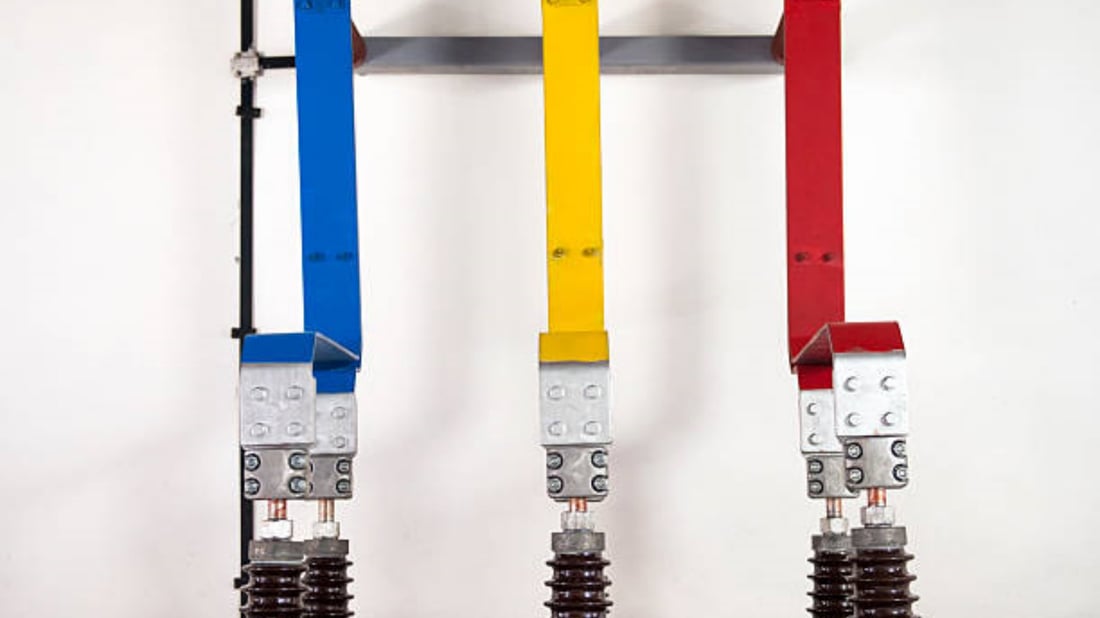
Understanding the Role of 35kV Heat Shrink Sleeves in Electrical Systems
Heat shrink sleeves designed for 35kV applications are essential components used for insulating and protecting high-voltage cables. These sleeves provide mechanical protection, moisture sealing, and electrical insulation in medium-voltage systems. Proper application of 35kV heat shrink sleeves ensures cable integrity and avoids premature failures and power outages, making their effective troubleshooting critical for system reliability.
Common Installation Issues Affecting 35kV Heat Shrink Sleeves
Installation errors are a frequent cause of issues with 35kV heat shrink sleeves. Problems like uneven shrinkage, inadequate surface preparation, or improper positioning can cause weak insulation or water ingress. Understanding installation best practices, including correct sleeve alignment and thorough cleaning of cable surfaces, is fundamental in preventing such problems during troubleshooting.
Signs of Heat Shrink Sleeve Failure at 35kV Voltage Levels
Detecting failure signs early is vital. Indicators such as sleeve cracking, bubble formation, discoloration, or partial shrinkage typically signify underlying issues such as thermal degradation or mechanical stress. Regular visual inspections aligned with troubleshooting protocols help identify these defects before they escalate into serious cable faults.
Thermal Performance Challenges in High-Voltage Sleeves
35kV heat shrink sleeves operate under thermal stress due to current loads and environmental conditions. Inefficient heat dissipation can cause sleeves to overheat and deform, weakening insulation properties. Troubleshooting thermal performance involves checking ambient conditions, load cycles, and verifying if sleeves meet thermal rating requirements for specific applications.
Moisture Ingress and Its Impact on Sleeve Integrity
Moisture intrusion is a critical issue that deteriorates the performance of 35kV heat shrink sleeves. It can lead to insulation failure and subsequent electrical faults. Troubleshooting moisture problems involves inspecting seals, using appropriate sealants, and ensuring sleeves are fully shrunk without gaps to maintain a watertight barrier.
Proper Use of Heat Sources During Sleeve Application
The application heat source plays a pivotal role in sleeve performance. Using incorrect temperature settings or uneven heating methods during installation results in incomplete shrinkage or material damage. Troubleshooting here requires verifying the use of recommended heating tools, temperature controls, and techniques consistent with manufacturer guidelines.
Material Compatibility Issues in 35kV Heat Shrink Sleeves
Not all heat shrink sleeves are compatible with every cable type or environmental condition. Material incompatibility, such as using sleeves with incompatible adhesive or substrate types, can cause poor bonding or chemical reactions. Effective troubleshooting evaluates material specifications and ensures compatibility with cable insulation and environmental factors.
Mechanical Damage and Sleeve Durability Concerns
Physical damage from abrasion, impact, or rodent activity can compromise 35kV heat shrink sleeves. During troubleshooting, inspecting for external damage and assessing sleeve hardness and thickness is essential. Protective measures may include additional mechanical covers or proper routing to minimize exposure to damaging forces.
High Voltage Stress and Electrical Tracking Challenges
Electrical tracking and partial discharges under high-voltage conditions pose serious risks to sleeve longevity. Troubleshooting involves electrical testing to identify areas with compromised insulation resistance or potential tracking paths. Implementing sleeves with high dielectric strength and tracking resistance enhances reliability in such environments.
Maintenance and Long-Term Monitoring Strategies
Regular maintenance and monitoring optimize 35kV heat shrink sleeve performance. Implementing scheduled inspections with infrared thermography or partial discharge detection allows early identification of sleeve issues. Troubleshooting based on monitoring data supports proactive replacements and reduces unexpected system downtime.